In the heart of Nepal’s bustling streets, amidst the aroma of spices and the hum of daily life, lies a sweet treasure that has stood the test of time: Pustakari. This traditional Nepali candy, often described as a hard-milk toffee, is more than just a treat; it is a nostalgic bridge connecting generations. From the cobblestone alleys of Asan to the modern grocery aisles of Kathmandu, Pustakari remains an undisputed icon of Nepali confectionery.
But where did this “rock candy” of the Himalayas actually come from? Let’s dive into the rich history, cultural significance, and the evolving journey of Pustakari in the Nepali market.
What is Pustakari? A Glimpse into the Ingredients
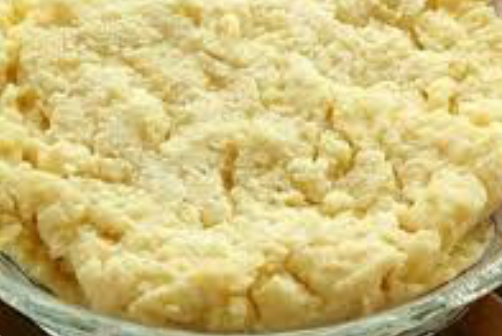
Before exploring its history, it is essential to understand what makes Pustakari unique. Unlike Western candies that rely heavily on processed corn syrup, Pustakari is a labor-intensive product of slow-cooking.
The traditional recipe involves:
- Khuwa (Milk Solids): The base that provides a rich, creamy texture.
- Sugar and Molasses: For that deep, caramelized sweetness.
- Ghee (Clarified Butter): To give it a smooth finish and distinct aroma.
- Spices and Nuts: Often flavored with cardamom, coconut, and crunchy pieces of peanuts or cashews.
The mixture is boiled in large iron vats (karai) until it reaches a thick, fudge-like consistency, then hand-rolled or cut into small, bite-sized pieces that harden as they cool.
The Newari Roots: Artisans of the Kathmandu Valley
While there is no single “inventor” listed in historical archives, the origin of Pustakari is deeply intertwined with the Newar community of the Kathmandu Valley. Historically, Newars have been the master confectioners of Nepal, known as Gubhaju or Rajkarnikar.
For centuries, these artisans experimented with concentrated milk products. Pustakari likely evolved from the need to preserve milk. In an era before refrigeration, boiling milk down into khuwa and then further caramelizing it with sugar was a brilliant way to create a high-energy snack that could last for months.
Did You Know? The word “Pustakari” is believed to be derived from the local dialect, symbolizing its strength and durability. It was the original “traveler’s candy” for traders crossing the difficult Himalayan passes.
Pustakari in the Medieval Era and Malla Dynasty
Historians suggest that during the Malla period (12th–18th century), the culinary arts in Nepal reached their peak. Royal feasts often featured various dairy-based sweets. Pustakari, because of its shelf life and portability, became a staple for soldiers and merchants.
As Kathmandu served as a vital trade link between Tibet and India, Pustakari found its way into the pockets of traders. It provided the necessary calories and sugar rush needed to survive the grueling climbs of the Silk Road branches.
The Evolution of the Nepali Market
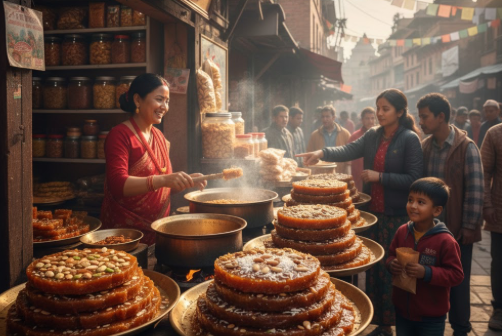
The 20th century saw Pustakari move from household kitchens to specialized street stalls. Places like Asan, Indra Chowk, and Patan became the hubs for “Fresh Pustakari.”
- The Rise of Small Scale Industry: In the 1950s and 60s, small family-owned businesses began branding their Pustakari. This was the first time the candy was wrapped in simple paper, moving away from being sold in bulk jars.
- Modern Packaging: Today, Pustakari has undergone a “glow-up.” You can find vacuum-sealed, beautifully packaged Pustakari in supermarkets and even at the Tribhuvan International Airport, ready to be carried as a souvenir to the Nepali diaspora across the globe.
Why Pustakari Remains an Favorite
If you are searching for authentic Nepali flavors, Pustakari always tops the list. Its uniqueness lies in its texture—it is hard at first but slowly melts into a rich, buttery paste.
For the modern health-conscious consumer, Pustakari is often viewed as a “cleaner” alternative to chocolate because it lacks artificial preservatives and is packed with the protein of concentrated milk and the healthy fats of ghee.
The Cultural Significance
Pustakari isn’t just for kids. In Nepali culture, it plays a role in:
- Post-Maternity Care: Due to the high fat and nutrient content, it is often given to new mothers for strength.
- Religious Offerings: It is frequently included in Sagaan or as an offering to deities.
- Nostalgia: For many Nepalis living abroad, the taste of a Pustakari is an instant ticket back to their childhood summers.
A Sweet Future
The origin of Pustakari is a testament to Nepali ingenuity. It turned simple milk and sugar into a resilient, delicious cultural hallmark. As we look toward the future, the challenge lies in maintaining the authentic wood-fired cooking methods while meeting global hygiene standards.
Whether you are a tourist visiting Nepal for the first time or a local rediscovering your roots, one bite of Pustakari tells the story of the Kathmandu Valley better than any history book ever could.