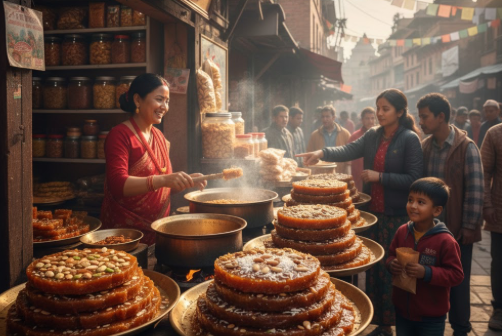
When you walk through the narrow, vibrant streets of Asan or Bhaktapur, your senses are immediately greeted by a symphony of aromas. Amidst the smell of incense and marigolds, there is a heavy, comforting scent of caramelizing sugar, frying dough, and simmering milk. This is the heart of Nepal’s “Guliyo” (sweet) culture—a world where desserts are not just an after-dinner afterthought but a sacred offering, a communal bond, and a testament to an 800-year-old culinary legacy.
In this comprehensive guide, we explore the fascinating history, cultural secrets, and the modern-day evolution of the most iconic Nepali sweets. From the ring-shaped Sel Roti to the “King of Yogurts,” let’s take a sugary journey through the Himalayas.
1. Sel Roti: The 800-Year-Old Golden Ring of Celebration
If Nepal had a national dessert, Sel Roti would undoubtedly wear the crown. This ring-shaped, deep-fried rice bread is the heartbeat of festivals like Dashain and Tihar.
- The Origin Story: Historians estimate that Sel Roti has been part of the Nepali diet for over 800 years. It is believed to have evolved from a simpler rice pancake called Babari. Over centuries, as different ethnicities intermingled, the recipe was refined with sugar, ghee, and cloves to create the crispy, hollow ring we love today.+1
- The Secret Technique: Authentic Sel Roti isn’t just “fried dough.” The rice must be soaked, coarsely ground, and then fermented for at least six hours. This fermentation creates natural yeast, which prevents the roti from absorbing too much oil, making it light and flavorful.
- Cultural Symbolism: Offering Sel Roti is a sign of ultimate hospitality. In Nepali households, women gather around large iron vats (Karai) to fry hundreds of these rings, which are then shared with neighbors and relatives as a symbol of unity and prosperity.+1
2. Gudpak: The “Post-Maternity” Superfood
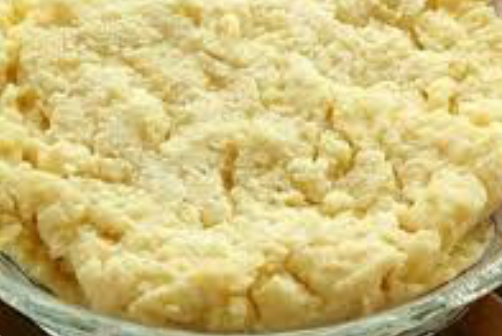
While most sweets are purely for indulgence, Gudpak serves a functional purpose in Nepali society. It is a dense, fudge-like delicacy made from Khuwa (thickened milk), jaggery (Gud), and a blend of nuts and edible gums.
- The Kathmandu Connection: While its roots are ancient, modern Gudpak was popularized in the 1930s by Panna Lal Maskey in his shop in Asan.
- Sutkeri Gudpak: This is a specialized version made for new mothers. It contains Battisa (a blend of 32 medicinal herbs) and is believed to provide immense energy, aid in postpartum recovery, and boost immunity.+1
- Market Resilience: Despite competition from Western chocolates, the Gudpak industry in Nepal remains robust, with an estimated annual production of nearly 600 metric tonnes.
3. Yomari: The Architecturally Stunning Winter Delight
Found primarily in the Newar community of the Kathmandu Valley, Yomari is perhaps the most unique-looking sweet in the world. Shaped like a fish or a fig, this steamed rice-flour dumpling is a winter staple.
- Yomari Punhi: This festival celebrates the end of the rice harvest. Yomari translates to “tasty bread” in Nepal Bhasa.+1
- The Filling: Traditionally, it is filled with Chaku (concentrated molasses) and sesame seeds, though modern versions use Khuwa or chocolate. The Chaku is believed to provide heat to the body during the cold winter months.+1
- Historical Footprint: Mention of Yomari (under the name Irhamadhe) has been found in stone inscriptions dating back to 1440 AD during the Malla dynasty.
4. Juju Dhau: The King of Yogurts
You cannot talk about Nepali sweets without mentioning the legendary Juju Dhau from Bhaktapur.
- Why is it different? Unlike regular yogurt, Juju Dhau is made from buffalo milk, which has a higher fat content, resulting in a much creamier texture. It is boiled with honey and spices and then set in traditional clay pots (Macha).
- The Clay Pot Secret: The porous nature of the clay absorbs excess water, leaving behind a yogurt so thick it can be sliced with a knife. It is a mandatory part of Newari feasts and weddings.
5. Jeri (Jalebi) and Swari: The Ultimate Breakfast Duo
If you walk into a Nepali “Mithai Pasal” (sweet shop) in the morning, you will see people ordering a plate of Jeri-Swari.
- Jeri: Deep-fried fermented batter loops soaked in saffron syrup. While similar to the Indian Jalebi, the Nepali Jeri is often thinner and crispier.
- The Pairing: It is traditionally wrapped inside a Swari—a soft, paper-thin deep-fried bread. The combination of the hot, crunchy, syrupy Jeri with the soft Swari is the quintessential Nepali breakfast experience.
6. Lakhamari: The Ceremonial Masterpiece
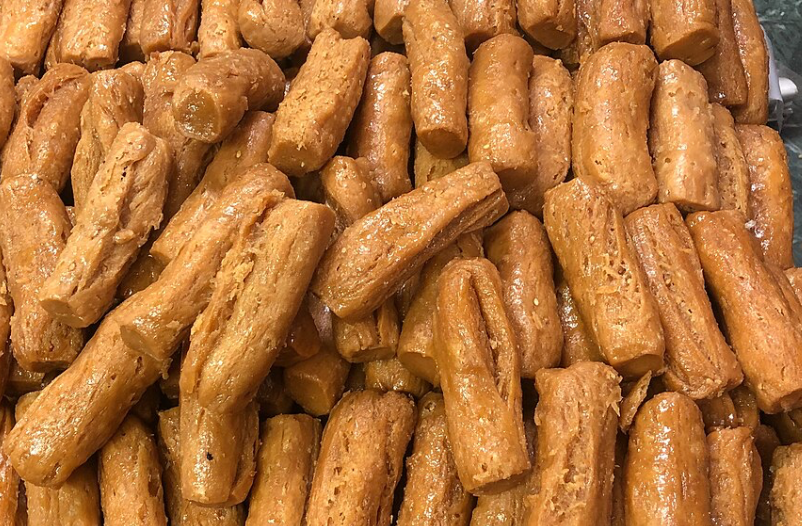
Another Newari gem, Lakhamari is a crunchy, sugar-glazed bread that comes in various intricate shapes, some even resembling animals for special ceremonies.
- Wedding Tradition: It is an essential part of the Sagan tray in Newari weddings. The durability of Lakhamari—which can stay fresh for weeks—symbolizes the long-lasting bond of the newlywed couple.
Preserving the “Guliyo” Heritage
As Nepal continues to modernize, these traditional sweets remain a grounding force. They are not just sugar and flour; they are stories of ancestors, the joy of harvests, and the warmth of Nepali hospitality. The next time you bite into a piece of Pustakari or a warm Sel Roti, remember that you are tasting centuries of history.